Detangling New Zealand Building Standards
Performance
standards
Homestar. Superhome. Passive House. What do these labels actually mean, and are they worth paying for?
In the absence of a national home energy rating system, there are several different standards you may come across when building a new home.
Here’s what it means to get their tick of approval.
Built to Code
The legal minimum
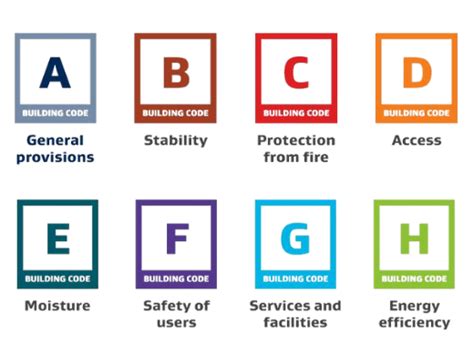
Every new home must meet NZ Building Code requirements for things like insulation, energy efficiency and ventilation. Meeting Code means meeting the minimum - it's not a guarantee your home will be warm and healthy.
Homestar
A whole-home rating
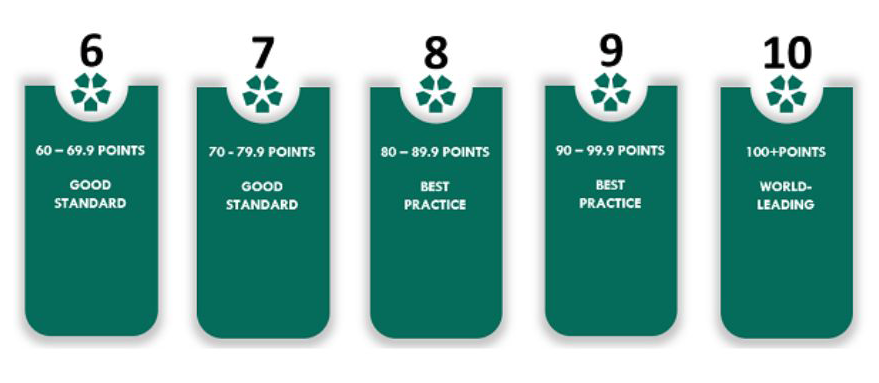
Rates new homes 6 to 10 stars across energy, warmth, moisture, health, materials and more. Not like the stars on home appliances - more stars don't simply mean more efficient. Independently assessed and certified.
Superhome
A professional network
A network of NZ building professionals promoting higher-performance homes. Homes are not independently audited; builders and designers are responsible for applying the criteria themselves.
Passivhaus
The most demanding performance standard
A rigorous, science-based standard with defined targets for energy use, airtightness, thermal performance and comfort. Performance is modelled, tested and independently certified.
Built to
code
Every new home in New Zealand must comply with the Building Code, which sets the minimum legal requirements for new buildings. The Code has been strengthened in recent years, but New Zealand’s minimum standards remain relatively low by international standards. ‘Built to code’ may not get you the warmth or comfort you expect.
Homestar
rating
Homestar is an independent home rating and certification system run by the New Zealand Green Building Council, a not for profit set up in 2005 by a group of building industry companies.
It rates new homes from 6 to 10 stars. but those stars aren’t like the label on a refrigerator where more stars mean more energy efficient. Rather, the star rating reflects a range of environmental, health and performance criteria.
Getting certified requires paying a certification fee to the Green Building Council, plus a separate fee to the assessor who reviews your design or finished home and submits the rating on your behalf.
Superhome
tiers
The Superhome Movement is a initiative co-founded by Bob Burnett and Martin Reilly in Christchurch in 2015. It works on three tiers – Base, Better and Best – set out in a published design and certification guide. It’s a self-assessing system without any third party checks, trusting skilled and accomplished practitioners and builders to design and build to those criteria themselves, rather than paying an assessor to rate and sign off each home.
Passivhaus
standard
Passivhaus – or Passive House, as it is better known in New Zealand – is the scientific, verified gold standard for building a high performance, healthy, and comfortable home.
Rather than a rating system, it sets measurable targets, verified by a complex scientific model that considers environmental factors and geography as well as construction. Projects are certified through professionals at a design stage as well as on site who are trained and accredited by Passive House Institute New Zealand (PHINZ). Certification is rigorous: up to 85% of houses worldwide don’t manage to pass the certification tests.
Passivhaus is a premium product and is known to carry a premium price, due to the extra design work calculations, monitoring, and certification.
Energy efficient
design
Certification means something to those in the know, and it can help at resale time. But a home can perform just as well without one.
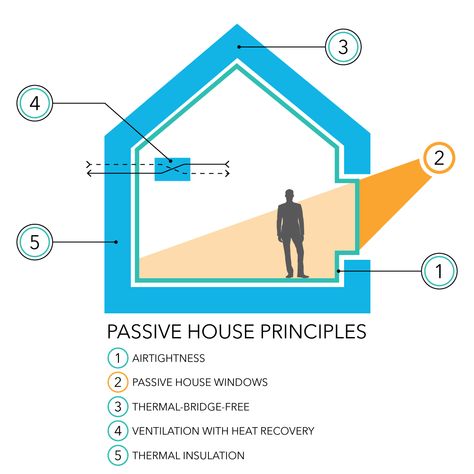
We apply the five Passive House Principles whether we’re building our own Passive House or an Energy Efficient Home.
We use Passive House-certified components, too. The end result is a home that can perform the same, be just as comfortable, but cost a whole heap less.
We can help
Before you choose a builder, find out what you’re actually paying for. Is it warmth and comfort? Or is it just a label?
Our free 1-on-1 presentation cuts through the confusion by explaining the NZ Building Code, its recent changes, and the different approaches to building a more energy-efficient home.