
Am I wasting my money insulating my floor?
Energy efficiency plays a vital role in modern home construction, aiming to reduce heat loss and optimize energy consumption. In this blog post, we will delve into the significance of insulation and bridging the thermal gap in homes. Our current building code is still falling short so how can you enhance your new home’s energy efficiency, resulting in reduced utility bills and increased comfort?
The Significance of Insulating the Edge of the Foundation:
One notable shortcoming of the recent building code change is its failure to make insulating the edge of the foundation compulsory. Studies have shown that up to 85% of heat loss through the floor occurs at the edge of the foundation. This occurs because the ground temperature beneath the house remains relatively constant, typically around 15/16 degrees Celsius, regardless of the outdoor air temperature. However, the edge of the foundation is exposed and significantly affected by changes in air temperature.
Addressing the Concerns:
Is Floor Insulation Worth the Investment?
While the recent building code may not mandate insulating the edge of the foundation, it doesn’t render floor insulation a waste of money. Insulating the floor still provides benefits by reducing heat loss through the floor assembly. However, for optimal energy efficiency, it is recommended to insulate both the floor and the edge of the foundation. By doing so, homeowners can maximize energy savings and create a more comfortable living environment.
Exploring Challenges:
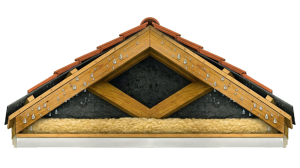
Among the various cladding options available, brick is one of the most common choices in New Zealand. However, brick cladding presents its own challenges when it comes to insulation. The presence of a cavity in brick walls makes it difficult to place insulation where it would be most effective in preventing heat transfer. As a result, thermal bridges, which are the shortest routes for heat to escape, often occur near the bottom plate of timber frames.

The Importance of Eliminating Thermal Bridges:
Good design aims to eliminate as many thermal bridges as possible during the construction of a home. Thermal bridges, such as those found in brick cladding, allow heat to bypass insulation and create pathways for energy loss. Identifying and addressing these thermal bridges is essential for achieving optimal energy efficiency. By implementing strategies to eliminate thermal bridges, homeowners can significantly reduce heat loss and improve the overall insulation performance of their homes.
Looking for Solutions?
Check Out Our Video on YouTube
To explore innovative solutions for addressing the challenges associated with thermal bridges, watch our video on YouTube. In the video, we discuss practical approaches and techniques that can be employed to enhance insulation performance and bridge the thermal gap in your home.
Insulation and bridging the thermal gap are crucial factors in achieving Energy Efficient Homes. By staying informed and exploring innovative solutions, homeowners can make significant strides in improving the Energy Efficiency of their homes.