New Zealand has a rich history of innovation in renewable energy. Lloyd Mandeno pioneered the first all-electric home powered by hydroelectricity . Reefton was the first town in the Southern Hemisphere with public lighting. Today, the nation is advancing its legacy by embracing home electrification, moving away from fossil fuels in favour of efficient, electric alternatives. This shift not only enhances sustainability but also provides substantial benefits for households, including reduced energy costs, improved health, and a smaller carbon footprint.
Despite New Zealand’s advancements in energy innovation, many households still rely on fossil fuels for heating, transportation, and other domestic needs. Common examples include:
- Gas or LPG for domestic hot water heating
- Wood fires for heating
- Petrol and diesel vehicles for transportation
- Gas cooktops for cooking

Fossil fuels have become an integral part of our daily lives, largely due to the convenience they provide. But are they truly the most cost-effective option, or have we simply accepted their use as the status quo?
What are the alternatives?
Space Heating
In many homes, space heating is provided by radiators or fireplaces. A common and more efficient electric alternative is the heat pump. Heat pumps operate on the principle of refrigerant expansion and can be up to four times more efficient than traditional radiant heaters or burners. This means that for every unit of energy consumed, heat pumps can deliver up to four units of heating, offering a potential 75% reduction in heating costs.

Cooking
Many kitchens in New Zealand are equipped with gas cooktops, which, while convenient, are more expensive to run and release harmful chemicals such as carbon monoxide, formaldehyde, and nitrogen dioxide into the home. According to the Asthma & Respiratory Foundation, gas cooktops contribute to one in eight cases of childhood asthma. A safer and more efficient alternative is either a standard electric convection cooktop or an induction cooktop.

Solar Energy
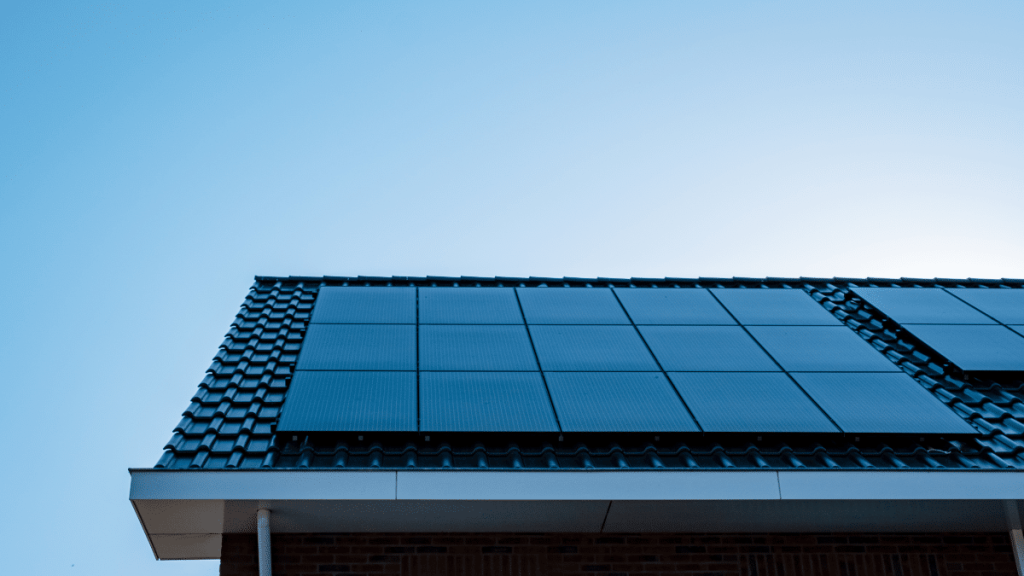
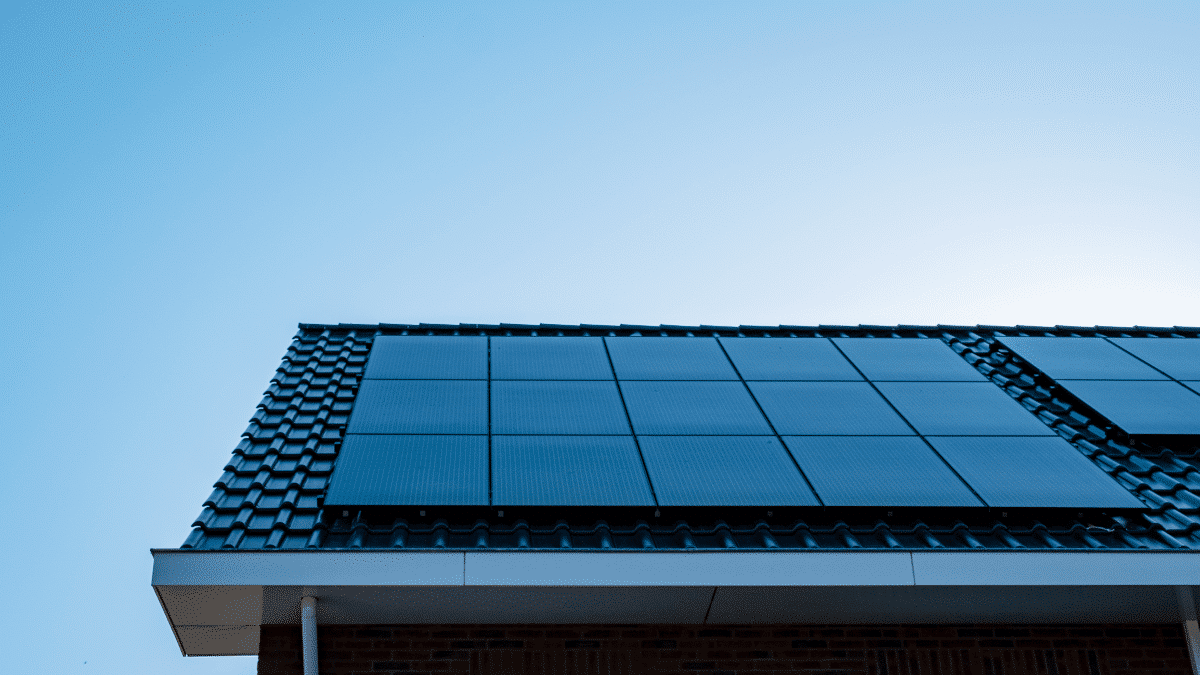
Solar energy is another area where homeowners can benefit significantly. Although there is an initial investment, a well-designed solar system that considers your energy usage can offer immediate returns. Excess power generated can be sold back to the grid, particularly during peak demand periods, providing financial rewards while meeting your home’s energy needs and even supporting electric vehicle (EV) charging.

The Benefits of Home Electrification
New Zealand has reached a pivotal moment in energy efficiency, as highlighted in the Rewiring Aotearoa: Electric Homes report. Households can now save money and reduce emissions by transitioning to electric appliances and vehicles. On average, homeowners can save up to $1,500 annually, with potential savings increasing to $4,500 when incorporating low-interest loans, rooftop solar, and home battery storage, all while taking advantage of New Zealand’s renewable energy grid.
Electrifying your home offers significant benefits, not only in terms of cost savings but also in enhancing health and comfort. At Energy Efficient Homes, we are committed to ensuring these benefits are fully realized by prioritizing thoughtful design and performance from the very beginning.
Everyone deserves to live in a warm, healthy, and comfortable home. This is achieved through careful planning, where these elements are integrated into the design rather than being added as afterthoughts. Key principles, such as enhanced insulation, airtight construction, and mechanical ventilation, play a crucial role in reducing energy costs and creating a healthier indoor environment. Our approach focuses on building for the future, setting new standards to create homes that truly meet the needs of their occupants.