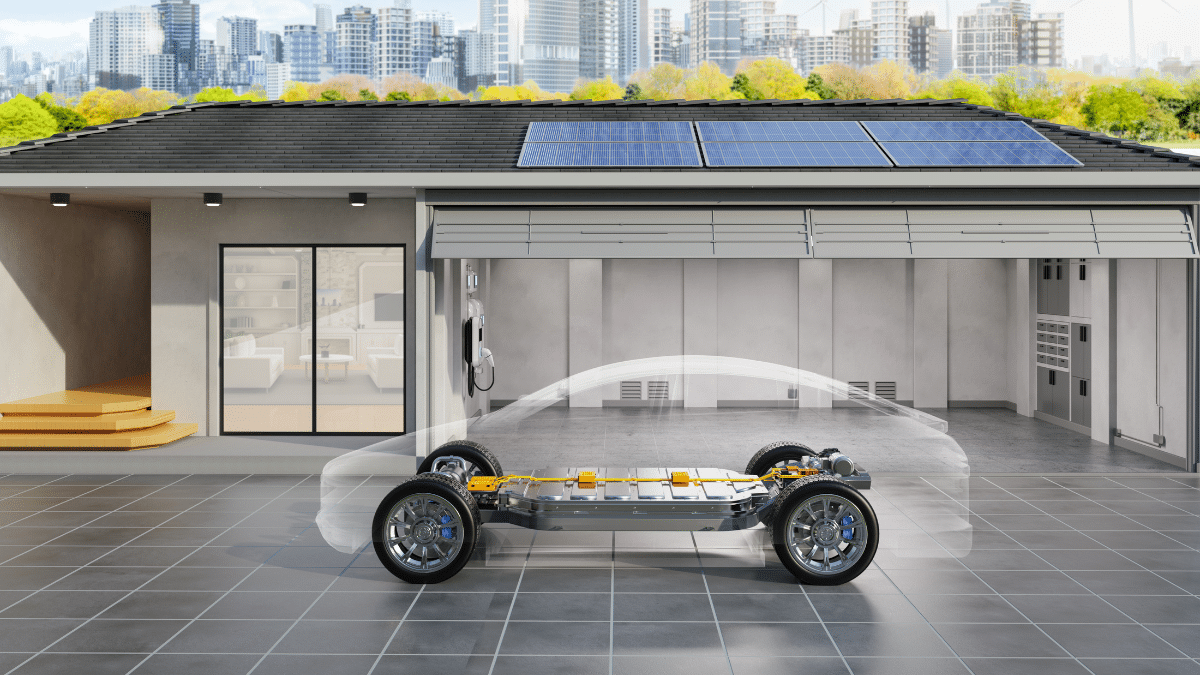
For years, I’ve been hesitant about recommending solar panels for Energy-Efficient homes. My focus has always been on delivering value, ensuring that my clients get the best return for their investments. But the world is changing – climate, energy demands, and technology are all evolving – and with these shifts, my view on solar energy is beginning to change too.
Let me explain why I’ve traditionally been against solar panels. My approach has always been to treat my clients’ money as carefully as I treat my own. If I don’t see a clear return on investment, I won’t suggest spending large sums of money. For Energy-Efficient homes, the energy consumption is already so low that the financial benefits of solar panels become marginal.
Take, for example, a solar system that costs between $10,000 and $15,000, which might save you around $400 per year. While that sounds appealing on paper, it could take decades to recoup the initial investment, and by then, you might need to replace the system entirely. It’s hard to justify such an expense for homes that already use less energy than those built to standard New Zealand building codes.

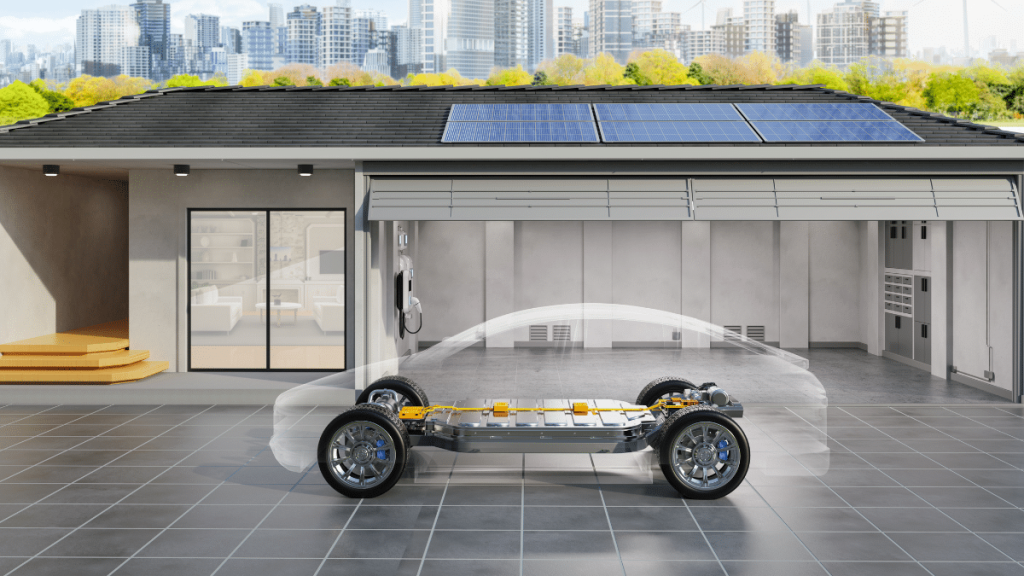
On top of that, technology is advancing rapidly. The electric vehicle market, driven by companies like Tesla and BYD, is pushing forward breakthroughs in battery technology. As batteries become more affordable and efficient, the opportunity to integrate solar energy into homes will improve significantly. That’s why, for years, I’ve told clients to wait – make their homes “solar-ready” now, and install solar panels when the technology catches up.
So, what’s changed?
The world around us has changed, and with it, so has the energy landscape. Our climate is shifting, and even those who are skeptical of climate change can’t ignore the decreasing water levels in our lakes. Recently, energy companies like Meridian and Genesis were considering using emergency backup systems just to meet demand in early spring. That raises the question: how will we cope during summer when demand is even higher?
On top of that, our population is growing, housing development is increasing, and electric vehicles are becoming more common. Next year, Tesla is set to release a new model priced at just US$7,000, with a battery capable of lasting 20 years and offering a range of 1,000 kilometres. These vehicles could even store energy and return it to the home grid. Why continue paying tens of thousands of dollars for traditional cars that are expensive to fuel?
The bigger issue we face now is electricity demand. As demand grows, so will costs – basic economics. The government is even considering opening new gas supplies, despite the environmental concerns of using fossil fuels. Whether or not this is the right move, it highlights the growing strain on our energy system and the limited alternatives available right now.
The bigger issue we face now is electricity demand. As demand grows, so will costs – basic economics.
The government is even considering opening new gas supplies, despite the environmental concerns of using fossil fuels. Whether or not this is the right move, it highlights the growing strain on our energy system and the limited alternatives available right now.

If the electricity supply can’t keep up with demand, what’s next? Will we see energy rationing? How will this impact businesses and households?
These concerns have led me to rethink solar energy – not purely as a financial consideration, but as a matter of energy security. In an increasingly uncertain energy landscape, having a solar-powered home could offer real peace of mind. Imagine if there’s a power outage in your area – wouldn’t it be reassuring to know your home can remain powered, independent of the grid?
That said, I’m still cautious about installing solar panels right now. The next 12 to 18 months could bring major advancements in battery technology, and I want to ensure we take advantage of these developments when they arrive. Until then, we’ll continue to make homes solar-ready. But with the climate changing and energy demands rising, I might be forced to embrace solar energy sooner than I expected.