What Is a Passive House?
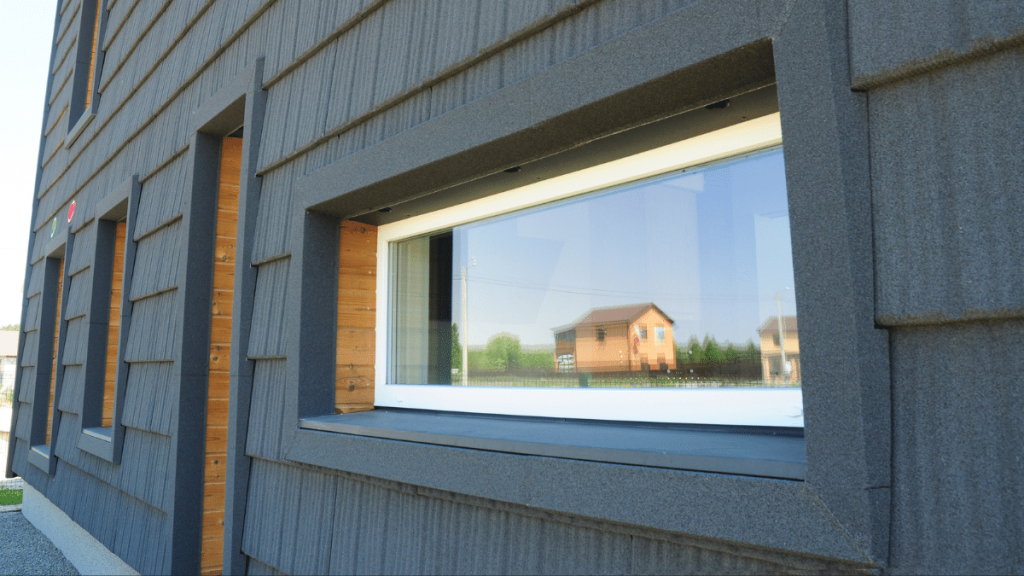
Passive House is an international organisation that recognises and achieves a set standard for Energy Efficient building. Passive House projects are designed to minimise energy use while maximising comfort and health, sustainability is also a central focus for most. These homes are built using 5 Passive House Principles: Airtightness, advanced Insulation, high-performance Windows and Doors, minimising Thermal Bridges and Mechanical Heat Recovery Ventilation (MHRV).
By incorporating these principles, Passive Houses drastically reduce energy consumption while providing a healthier and more comfortable living environment.
There are several standards of Passive House certification available, each tailored to the different goals of the client and standards of performance. Let’s explore these options in detail.
1. Passive House Classic
The Gold Standard for New Builds
Passive House Classic represents the original certification for new builds that meet the International Passive House Standard. These homes are designed to minimise energy consumption for heating & cooling, prevent overheating, achieve extremely high airtightness and provide constant fresh air with ventilation. This ensures optimal comfort and air quality.
Why Choose Passive House Classic Certification?
– Assurance that the house performs to one of the highest International standards.
– Extremely low energy use and even comfort all year around.
– Ideal for homeowners seeking high performance and sustainability of design.
2. Passive House Plus
Renewable Energy in Action
Passive House Plus builds on the Classic standard by incorporating renewable energy systems. This certification is achieved when the building produces the same amount of renewable energy as it consumes annually for its heating & cooling requirements, making it an excellent choice for sustainability-focused homeowners.
Why Choose Passive House Plus?
– Combines Energy Efficiency with renewable energy generation.
– Reduces environmental impact while maintaining high performance.
– Ideal for those wanting to balance energy use with on-site production.
3. Passive House Premium
Positive Energy Design
The Passive House Premium certification represents the pinnacle of Energy Efficient building. This standard is achieved when the building generates as much renewable energy as both the building and its occupants use in their daily lives for all heating, cooling and other electrical needs. These homes are not just efficient – they are net-positive contributors to sustainability as the home completely offsets the requirements of its occupants.
Why Choose Passive House Premium?
– True self-sufficiency of design and a positive impact on the planet.
– Eliminates reliance on external energy sources.
– Ideal for homeowners looking for maximum sustainability and energy independence.
4. PHI Low Energy Building Standard
High Efficiency Without The Cost
The PHI Low Energy Building Standard is an alternative for high performance projects that do not seek Passive House certification but still want to achieve and verify exceptional energy efficiency. This option is ideal for those who want a superior build with reduced energy consumption and environmental impact, but with slightly less stringent requirements and markedly lower costs.
Why Choose PHI Low Energy Building?
– A more readily achievable certification for those looking for energy efficiency.
– Balances performance with practicality, offering significant energy savings.
– Ideal for projects with budget constraints or existing limitations.
5. EnerPHit (Retrofit Standard)
Transforming Existing Buildings
EnerPHit is the Passive House standard for retrofitting existing buildings. Designed to make older structures more Energy Efficient, this certification adapts the principles of Passive House design to the challenges of retrofits, such as existing materials and structural constraints. The end result is a modern construction that is vastly superior to the current housing market.
Why Choose EnerPHit?
– Drastically reduces energy consumption in existing buildings.
– Enhances comfort, air quality, and insulation for retrofitted properties.
– Ideal for homeowners modernising and upgrading their homes sustainably.
Choosing the Right Passive House Design Certification
Whether you’re building from the ground up or retrofitting an existing property, Passive House offers a solution tailored to your goals. From the original, foundational efficiency of Passive House Classic to the net-positive impact of Passive House Premium, and even the practical upgrades of EnerPHit; each option provides unmatched benefits in comfort, health, sustainability, and energy savings.
By choosing to build a Passive House design, you’re investing in a future where your home works smarter – for both you and the planet.