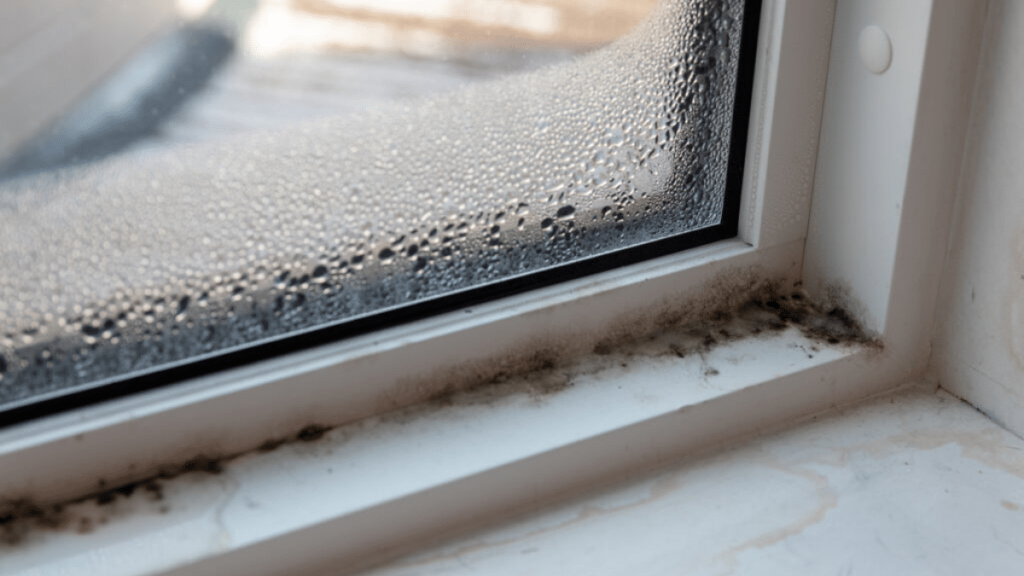
Do you wake up to condensation on your windows?
Smell that faint mustiness in certain rooms?
Run a dehumidifier every day, just trying to keep things dry?
Or wonder why your power bill is so high, even though you’re constantly trying to save?
If that sounds familiar, you’re not the only one. As winter rolls in, more and more New Zealanders are facing the same frustrating cycle – cold mornings, damp rooms, and rising power costs. The truth is, too many of our homes simply aren’t built for comfort, health, or Energy Efficiency.
Moisture and mould are becoming more common. Respiratory issues are on the rise. And power bills? Climbing higher year after year. These aren’t just seasonal problems. They’re signs of something bigger.
The reality is, many homes in New Zealand were built decades ago, under building standards that didn’t consider insulation, airtightness, or energy performance. And while our lives have changed, the way we build hasn’t kept up.
So we have to ask:
Are our homes really working for us? Or are they holding us back?
When Homes Hurt More Than They Help
Mould and moisture aren’t just things you can wipe away. They’re signs your home isn’t managing heat or ventilation properly, and they come with real health consequences.
Cold, damp environments are linked to asthma, recurring infections, and worsened chronic health conditions, especially in kids and older adults. And for families already managing health challenges, living in these conditions can make everything harder.
We hear it all the time:
“We had no idea the house was affecting our child’s health.”
“I didn’t realise how much better I could breathe until we moved into a drier home.”
These aren’t isolated stories. They reflect what many households across the country are experiencing. Homes should help us feel better, not worse.
Power Bills Keep Climbing, But Comfort Doesn’t
Over the past decade, electricity prices in New Zealand have risen by more than 30%. At the same time, we’ve seen power supply issues during peak demand and warnings about system reliability.
It’s not just expensive, it’s unpredictable.
And here’s the hard part: so much of that energy is wasted. Poor insulation, thin glazing, and a lack of airtightness mean the heat we pay for escapes through gaps we can’t even see. We’re heating homes that can’t hold onto warmth.
So people start cutting back, turning off heaters, layering up indoors, and accepting cold as part of winter. That shouldn’t be the case.
A warm, dry home should be a given, not a luxury.
How We Build Homes That Work for Real Life
At Energy Efficient Homes, we’ve taken a different path. We believe Kiwis deserve homes that look after them, not the other way around.
That’s why we build above the minimum. We go beyond today’s H1 building code, designing homes that meet future standards now. Our approach is inspired by Passive House Principles, which prioritise Energy Efficiency, comfort, and air quality from the ground up.
We build with:
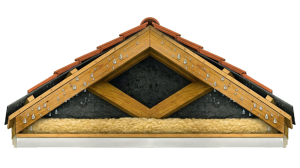
- Quality insulation that wraps the home in warmth
- Advanced windows and doors that reduce heat loss and bring in light
- Mechanical heat recovery ventilation (MHRV) for fresh, filtered air
- Airtight construction to stop draughts and keep temperatures consistent
- Thermal bridge-free design to eliminate cold spots and condensation
And the result? Homes that are comfortable and healthy with lower running costs. Homes that use less energy, feel better to live in, and cost less to keep warm, especially as power prices keep climbing.

The Bigger Question:
We have the knowledge. We have the technology. We have the standards.
So why isn’t every new home being built this way?
The answer usually comes down to habit, cost-cutting, or not looking far enough ahead. But we think it’s time to shift that mindset.
Because the way we live is changing. And it’s time our homes caught up.