Have you ever wondered who else might be eyeing up your warm, cosy home this winter? When the temperature drops, are you keeping out more than just the cold?
With winter rolling in across New Zealand, our homes become sanctuaries of warmth and comfort. But we’re not the only ones trying to escape the cold – pests such as rodents, insects, and other uninvited guests are all looking for a cosy spot to nest in, out of the cold.
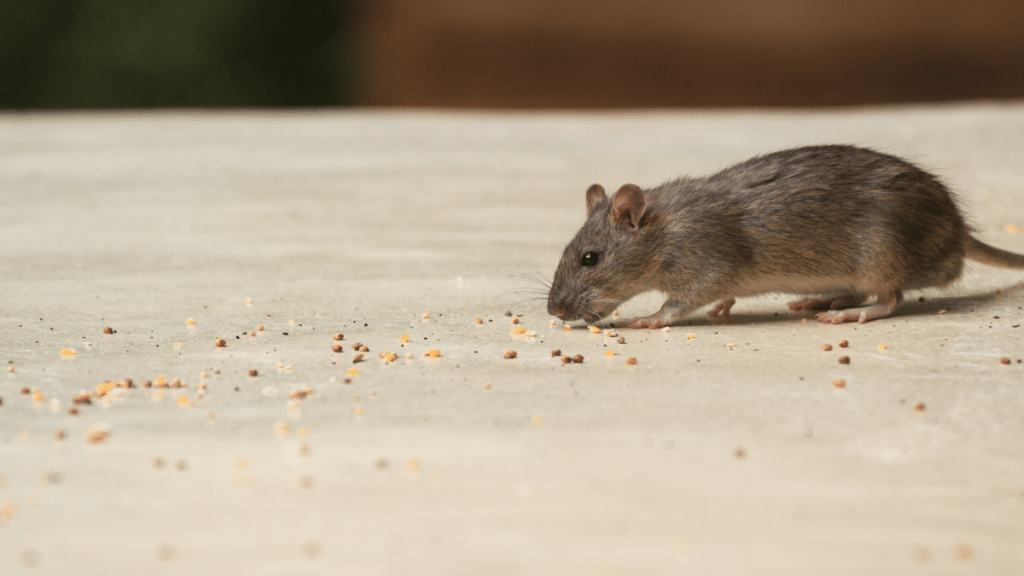
Just last week, we took the grandkids’ car seat out of the car and noticed a few crumbs left behind. Not long after, we spotted signs of a mouse in the garage. I can’t say for sure, but I suspect those crumbs, along with the cold weather we’ve been experiencing, might’ve been what drew it inside, as it looked for somewhere warm to shelter. What really stood out, though, was this: while the mouse managed to get into the garage by the small gap at the bottom of the door tracks, it didn’t get into the house.
Why not? Because our home is airtight.
As someone living in an Energy Efficient Home, I’ve become increasingly aware of the small details that make a big difference to our home. Airtightness is one of those features that often gets overlooked in the building industry – but it’s a game changer for many reasons.
What Does It Mean for a Home to Be Airtight?
Airtightness refers to how well a building envelope – the walls, windows, doors, floors, and roof – resists the uncontrolled flow of air in or out. In a conventional home, small gaps and cracks (even the ones you can’t see) allow cold air to sneak in, warm air to leak out, and even pests to find their way indoors.
In an Energy Efficient Home, these gaps are sealed. Every junction is carefully constructed, windows and doors are tightly fitted, and mechanical ventilation is used to maintain air quality without letting energy (or mice) escape.
Why It Matters – Beyond Energy Bills
Airtightness might seem like a technical detail, but its impact is surprisingly practical and often felt in day-to-day life. From comfort to health, and even peace of mind, the benefits go well beyond what you’d expect:
- Healthier indoor environment: Airtightness works in tandem with controlled ventilation systems, reducing dampness, mould, and allergens – a big win in New Zealand’s damp winters.
- Noise reduction: An airtight envelope means less external noise can be heard inside, making for a quieter, more peaceful home.
- Pest resistance: As I saw firsthand, an airtight home isn’t just about energy. It’s about protection. With fewer entry points, it’s simply harder for pests and insects to find a way in.
A Sealed Door is More Than a Barrier
In our case, the sealed internal door between the garage and the main living space did its job. But it’s not just a door – it’s part of a well-designed, airtight system that helps protect the home from external elements, including furry little friends.
I laid a few humane traps, but there’s been no sign of the mouse since. It likely realised there was no easy way in – no warm crawlspace or pantry to raid. Just a well-sealed, well-built home that it can’t get into.
Final Thoughts:
Airtightness might not be something you notice every day – and honestly, that’s the point. It’s working quietly in the background, keeping your home warmer, drier, and calmer, no matter what the weather (or wildlife) is doing outside.
In our case, it meant a mouse stopped at the garage. In yours, it could mean fewer illnesses, lower bills, and a space that simply feels better to live in. It’s not just building better – it’s building smarter from the inside out.