
Have you ever looked at your winter power bill and wondered, why is it so much higher than usual?
A common question is whether power companies charge more in the winter. Unfortunately, the answer is yes, they often do. Just when you need it the most, power becomes more expensive. Utility providers usually justify this by citing the increased cost of meeting higher seasonal demand and investing in future infrastructure. And to be fair, their reasoning isn’t entirely unfounded.
Still, for many households, the result is the same: a painfully high power bill.
What Happens When the Bills Arrive?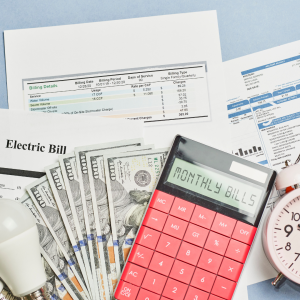
It’s often not until the bill arrives that people begin to react – cutting back wherever possible, switching things off, and trying to save energy. But these knee-jerk responses come at a cost.
Cold, damp homes can have serious health consequences. People get sick more frequently. Parents may burn through their sick days caring for their children and then have no time left when they themselves fall ill. Some even push through illness just to keep working.
This cycle isn’t just stressful, it’s unsustainable.
There’s a Better Way to Live
Here’s the good news: it doesn’t have to be this way.
Imagine living in a home that is warm, dry, and comfortable all year round. Families in Energy Efficient Homes often report significant health improvements and fewer sick days. Better still, their energy costs stay low and predictable.
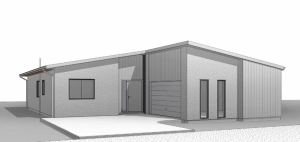
We live in a 226m², four-bedroom Energy Efficient Home, and our total energy cost over the past 12 months was just $1,775. That’s an average of only $148 per month, or $34.13 per week, with every room kept at a consistently comfortable temperature.
Beyond the Build Cost: What’s the True Cost of Living in Your Home?
If you’re planning to build a new home and only looking at the build cost, ask yourself: is that really the full picture?
Your bank certainly won’t see it that way, they’ll factor in your running costs when assessing your mortgage. Shouldn’t you do the same?
When you take into account both the upfront build cost and the ongoing running costs, it becomes clear that an Energy Efficient Home isn’t just better for the environment – it makes strong financial sense, too. Even the banks are recognising this, with some offering lower interest rates for homes that include energy-efficient upgrades. That alone should tell you it’s a smarter, more future-focused choice.
Time to Ask Yourself the Right Questions
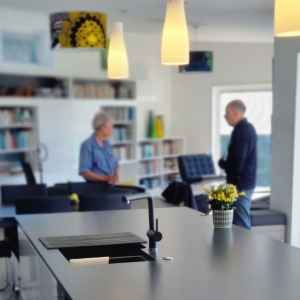 Join the growing number of people who are living healthier, more comfortable lives while spending less on energy. With an Energy Efficient Home, you’re not just building a house, you’re investing in a better way of living.
So take a moment to think, does it really make sense to keep paying more each winter just to stay warm? Is cutting back and living in a cold, damp home really the only option? Or is it time to consider a different way forward, one that puts comfort, health, and long-term savings at the centre of how your home works for you?