What Is Passive House?
It's all about
performance
If you’re looking for a Passive House builder in Canterbury, it helps to understand what Passive House actually means. Passive House (or Passivhaus) is the most rigorous voluntary energy-based standard in building design and construction. It aims to drastically reduce energy demand while enhancing indoor comfort. By following five core principles, Passive Houses achieve exceptional performance without the need for conventional heating and cooling systems. At Energy Efficient Homes, we apply these Passive House principles to the homes we build across Canterbury.
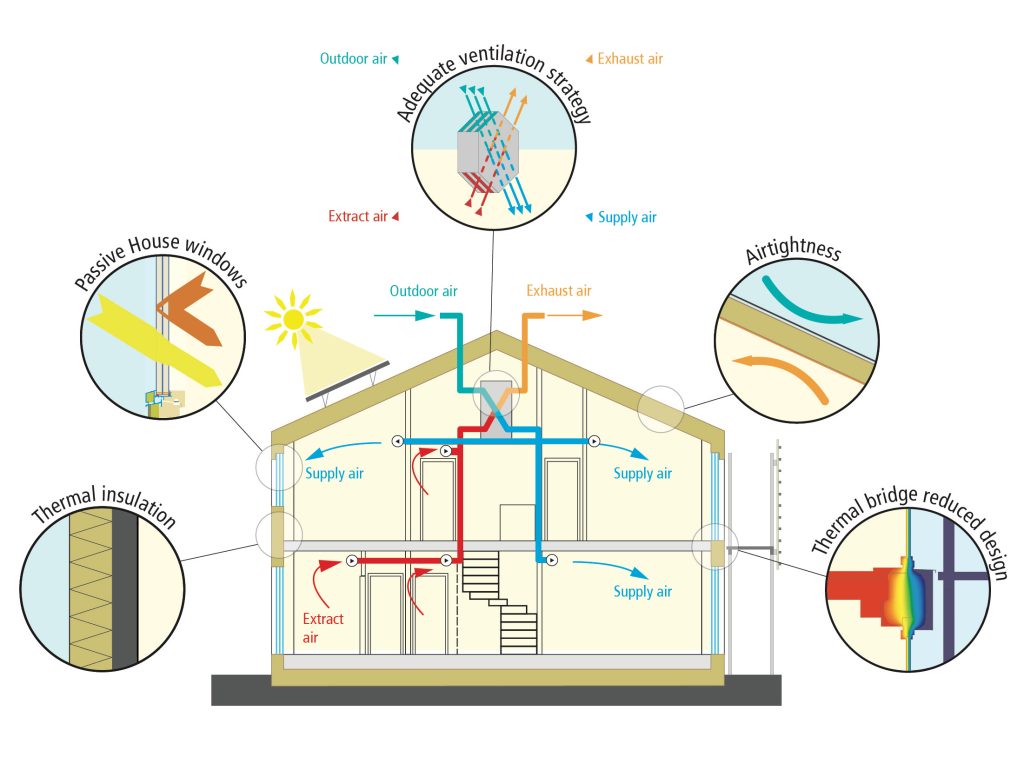
5 Passive House Principles
of a healthy home
Advanced Insulation
Extremely high levels of insulation reduce heat loss through the building envelope.High-Performance Windows
Triple-glazed, low-e coated windows with insulated frames limit unwanted heat transfer.Mechanical Ventilation with Heat Recovery (MVHR)
Continuously supplies fresh, filtered air while capturing heat from outgoing air.Airtight Construction
Prevents drafts and heat loss through leaks, verified with Blower Door Testing.Thermal Bridge Reduced Design
Eliminates weak spots in the building envelope where heat would otherwise escape.
Affordability
Energy Efficient Homes save you money by reducing power bills without compromising comfort. With high-quality insulation, airtight construction, and double/triple glazed high-performance windows, our designs maximise warmth in winter and keep your home cool in summer, cutting costs and future-proofing your investment.
Health
Energy Efficient Homes are warm, dry, and free from damp and mould, improving air quality and supporting your family’s health. With high-quality insulation, airtight construction, and advanced ventilation systems, our homes regulate moisture and airflow to create a healthier, more comfortable living environment all year round.
Comfort
Stay cosy in winter and cool in summer with a perfectly balanced indoor climate. Energy Efficient Homes use advanced insulation, airtight construction, and high-performance glazing to regulate temperatures, ensuring lasting comfort, lower energy costs, and a healthier living environment all year round.
Environment
Passive House design drastically reduces your carbon footprint by lowering operational energy consumption. It represents a serious step toward a sustainable future.
Performance
backed by science
To be certified as a Passive House, a home must meet strict criteria:
Heating demand: ≤ 15 kWh/m²/year
Cooling demand (if applicable): matches heating demand plus dehumidification
Airtightness: ≤ 0.6 ACH @ 50 Pa
Primary Energy Renewable (PER): ≤ 60 kWh/m²/year
Thermal comfort: >90% of hours between 18°C and 25°C
We use the Passive House Planning Package (PHPP) to model, test, and optimise every aspect of performance before construction begins. This gives you confidence in what your home will deliver, before it’s built.
Passive House
certification
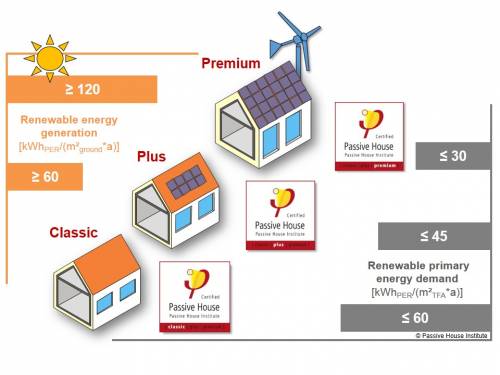
There are different levels of Passive House certification available, each suited to specific project goals – from new builds to retrofits, and from energy efficient performance to full energy independence.
Passive House Classic – The original standard for ultra-low energy new builds.
Passive House Plus – Adds on-site renewable energy generation to the Classic standard.
Passive House Premium – Achieves net-positive energy generation, covering both building and occupant use.
PHI Low Energy Building – A flexible, high-performance standard with more achievable criteria.
EnerPHit – A Passive House retrofit standard for upgrading existing buildings to near-Passive performance.
Is Passive House
right for you?
If you value long-term performance, comfort, and technical precision, it just might be. Whether you’re building your forever home or developing an investment, Passive House offers measurable benefits worth considering.
Let’s explore it together.
Ready to start your build journey?
Book a call with us today!