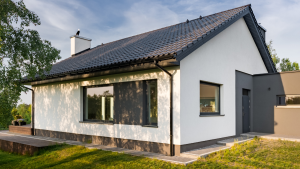

Our homes represent not only a place of shelter but also the largest financial investment we make in our lives. With such importance placed on our homes, shouldn’t we strive to future-proof that investment?
In an effort to “Build for Climate Change” the Ministry of Business, Innovation and Employment (MBIE) has initiated changes to our building code. These changes are part of a gradual process aimed at enhancing the performance of our buildings. Consider this: a staggering 28% of the carbon footprint is attributed to heating and cooling buildings alone. It is imperative, therefore, that we address this issue head-on.

The MBIE’s approach of implementing changes incrementally is strategic. A sudden, drastic transformation in building requirements would overwhelm the industry. The reality is that the construction sector lacks the necessary expertise to immediately meet all the new standards. It will require a significant learning curve for architects and builders to adapt to these essential changes.
But why is there a need for change? Even the staunchest opponents of global warming are now beginning to concede that we face a problem. Cyclone Gabrielle caused total damages estimated to be at least NZ$13.5 billion and has driven home to Kiwis that climate change is here right on our doorstep. Every day, the news worldwide continues to provide evidence of the urgent need for action. In 2015, our government, along with 194 other countries, signed the Paris Treaty, committing to limit the global temperature increase to 1.5 degrees Celsius by the end of this century. If we succeed in achieving this goal, we may be able to secure a livable world for our children and future generations.

The objective is clear: we must construct low-carbon buildings. This involves integrating passive design features, high-performance building envelopes, and energy-efficient heating, ventilation, and air conditioning (HVAC) systems. In simple terms, we need to build passive and high-performance energy-efficient structures.
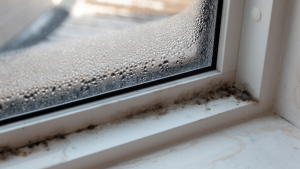
The advantages of such buildings are numerous. They offer a higher level of comfort and contribute to better health outcomes for our family. Energy Efficient Homes prioritize clean indoor air and minimize potential health risks associated with poor ventilation or insulation.
Financially, energy-efficient homes prove to be a wise investment. They significantly reduce operational costs, as the need for heating and cooling is greatly diminished. Over time, the savings on energy bills add up, resulting in considerable long-term benefits for homeowners. When compared to conventional buildings constructed to meet the current standard, energy-efficient homes outshine them as a far superior investment.

We can draw a parallel with the introduction of double glazing two decades ago. Initially mandated for all new buildings, it quickly became apparent that the benefits of double glazing were substantial. As a result, selling a house with single glazing became increasingly challenging. Similarly, as more individuals experience the advantages of living in energy-efficient homes, they will find it difficult to revert to the outdated standards of the current code.

Energy Efficient Homes Ltd. invites you to embrace the future. By investing in an energy-efficient home, you are not only ensuring your own well-being but also making a positive contribution to the environment. Together, let us create a sustainable future for ourselves, our children, and our Grandchildren. Contact Energy Efficient Homes Ltd. today to learn more about our cutting-edge solutions and make the smart investment in your future.