
Don’t get caught out – Requirements have changed
Have you heard about the recent changes in New Zealand’s fire safety regulations? There are some important updates you don’t want to miss, especially if you’re building a new home or planning substantial renovations. As of November 2023, the regulations concerning fire safety in residential buildings have undergone a substantial transformation.
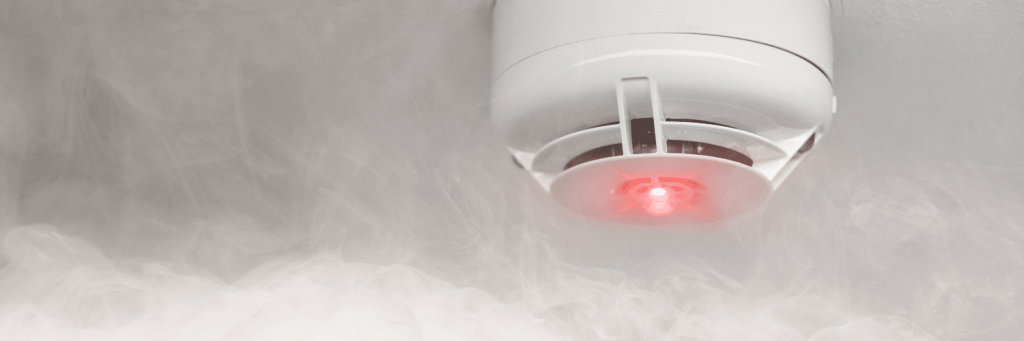
First things first, let’s talk about interconnected smoke alarms. These aren’t just your regular smoke detectors; they’re smarter, more efficient, and they’re now a mandatory part of the minimum fire safety system for new builds and significant renovations. Guided by the NZS 4514:2021 standard on Interconnected Smoke Alarms for Houses, these alarms are designed to communicate with each other. So, when one alarm detects smoke, they all sound the alarm, alerting you and your family to potential danger, no matter where you are in the house.
Here is what you need to know to ensure you’re up to code and your home is as safe as can be
- Compliance Standards: Your smoke alarms need to meet specific compliance standards like BS EN 14604, AS3786, UL 217, CAN/ULC S531, or ISO 12239. Whether they’re powered by long-life batteries or connected to the mains, these alarms must meet these rigorous criteria.
- Interconnection is Key: It’s not just about having smoke alarms; they need to talk to each other! This interconnected system ensures that if one alarm goes off, they all do, providing comprehensive coverage throughout your home.=
- Strategic Placement: Think about where you’re placing your smoke alarms. They should be in bedrooms, living spaces, hallways, and landings. And if you’ve got multiple levels, you need at least one alarm per floor to cover all bases.
- User-Friendly Features: Your smoke alarms should be easy to use and maintain. Look for models with hush and test buttons, so you can silence false alarms and ensure everything is working as it should.
- Optimal Installation: Mount your smoke alarms on or near the ceiling for maximum effectiveness in detecting smoke particles and issuing timely alerts.
- Kitchen Safety Matters: If you’ve got a kitchen separated by doors, consider installing specialised alarms designed for kitchen environments. Heat alarms can help prevent false alarms while keeping you safe during cooking mishaps.
Remember, while I’m giving you the lowdown here, it’s essential to dive into the details outlined in the NZS 4514:2021 standard to make sure you’re fully compliant and prepared. Read more here
As New Zealand embraces these forward-thinking changes, let’s all do our part to prioritise safety and ensure our homes are secure havens for ourselves and our loved ones.
Don’t get caught out—stay informed, stay safe!