Is it reasonable to expect our children to go to school and learn effectively? If so, why don’t we provide them with an environment that truly supports their learning?
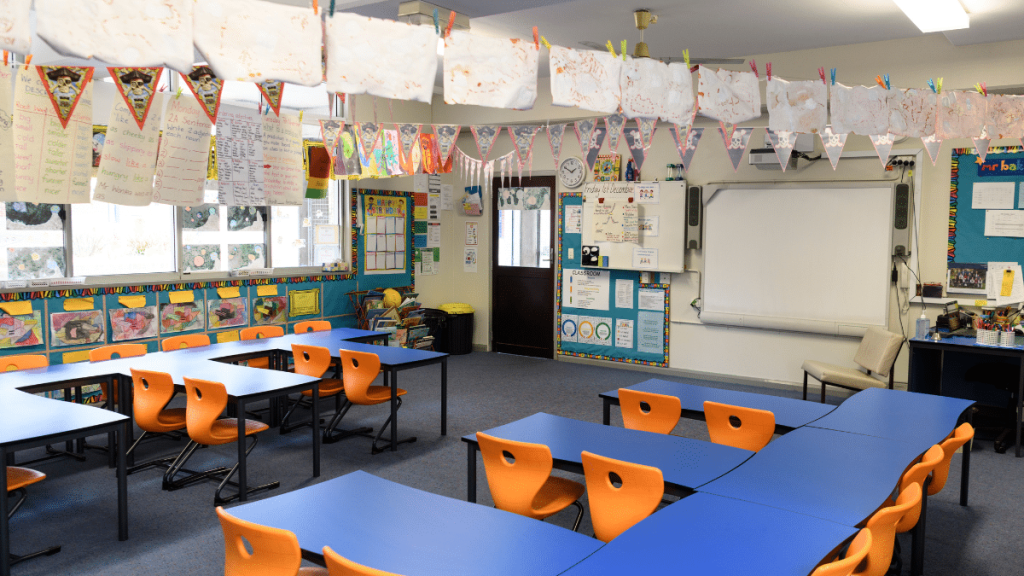
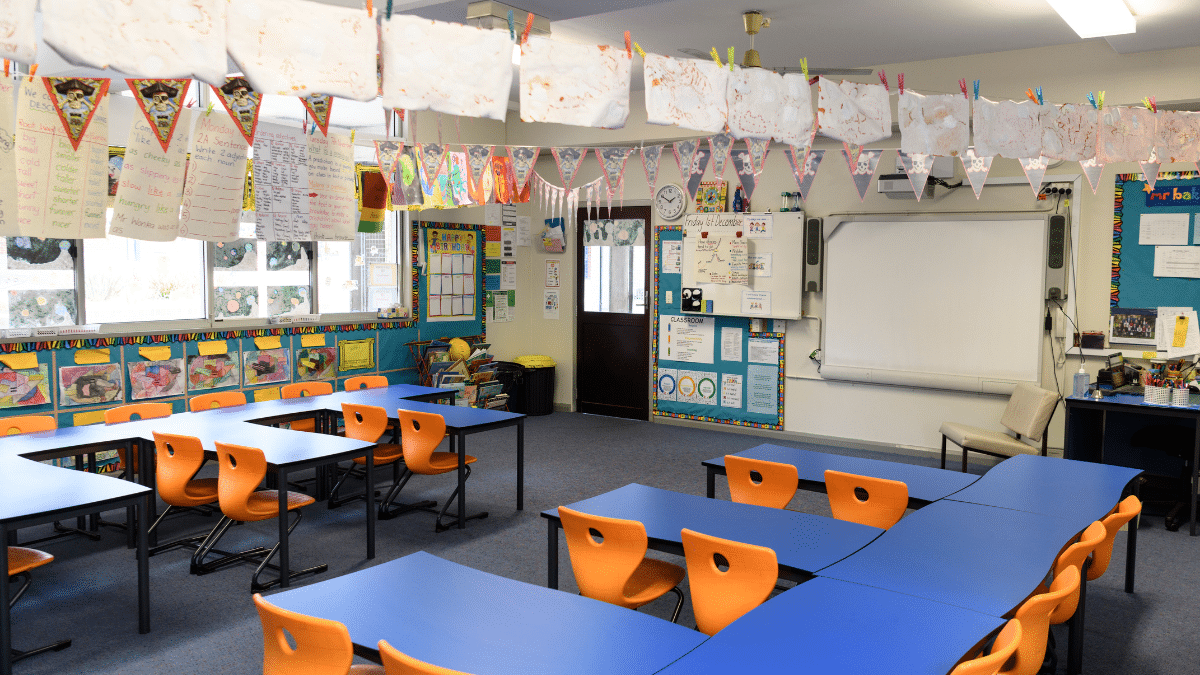
A recent case study conducted at a school in North Canterbury has brought to light some startling findings about the air quality in classrooms. These findings may prompt you to question the conditions at your own child’s school.
Understanding Good Air Quality Standards
To understand the impact of air quality, it’s essential to know the recommended levels of carbon dioxide (CO2) and humidity. CO2, which we exhale, is measured in parts per million (ppm). Healthy concentrations are between 400-1000 ppm. Levels between 1,000-2,000 ppm can cause drowsiness and poor air quality, while levels between 2,000-5,000 ppm can lead to headaches, sleepiness, and stagnant air.
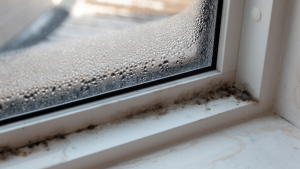
Humidity levels also play a crucial role in maintaining a comfortable and healthy indoor environment. The ideal relative humidity for indoor spaces is between 30-50%, with most people finding 30-60% comfortable. Low humidity can increase the risk of catching airborne viruses like the flu, exacerbate eczema, and cause dry skin. On the other hand, high humidity can create an environment conducive to dust mites and mould, which are common triggers for asthma and allergies.
Findings from the North Canterbury School
The study revealed that humidity levels in a classroom with 30 students peaked at 84%, and CO2 levels reached 3,100 ppm. Given these figures, it’s not surprising that New Zealand has one of the highest rates of asthma among Western countries.
How can we expect children to learn effectively in an environment with such poor air quality?
The Broader Implications
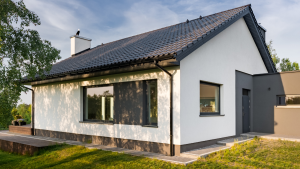
Before rushing to conclusions or considering home-schooling, it’s important to understand that these issues are not solely the schools’ responsibility. It really comes back to our present building standards. If your home is built to existing building standards, you and your family may be experiencing similar conditions without realizing it.
Well done to this particular school for realizing they had a problem. Awareness is the first step towards addressing this issue.
Solutions to Improve Indoor Air Quality
Improving indoor air quality starts with understanding building physics. Heat moves through walls, floors, and roofs, carrying humidity with it. For example, if your room temperature at night is 22°C, the roof space on the other side of the insulation can easily be as low as 2-3°C. In the summer, there can be anywhere between 10-40°C of air temperature change in the roof space over a 24-hour period. These temperature changes cause moisture problems, leading to various health issues.
A practical solution is to install a vapour barrier that prevents humidity from travelling through insulation, thus reducing dampness and mould. Additionally, a Mechanical Heat Recovery System can extract moist air from wet areas, purify incoming fresh air through a filtration system, and recover around 84% of the outgoing heat.
This system then distributes the fresh air into bedrooms and living areas, creating a healthier and more economical indoor environment.

Conclusion
Improving air quality in schools can significantly enhance the learning environment. Schools that invest in systems to keep peak humidity at or below 60% will not only provide a healthier space for students but also reduce heating costs, making the system a cost-effective solution. Addressing environmental factors such as air quality is crucial for the cognitive function and overall well-being of students, impacting their academic performance and development.
Moreover, this issue extends beyond schools and into our homes. Many households unknowingly suffer from similar air quality problems, leading to various health issues. Homeowners should proactively assess and improve their indoor air quality to protect their family’s health. It has long been a tradition of spring is here, let’s open the windows and have a spring clean. We can’t do that in winter because it is too cold. Summer brings more suffering for those with allergies. There is a healthy alternative that can help your family’s well being. By raising awareness and taking action, we can make a lasting impact on the future of our next generation.
You can learn much more about this and more by following the build of an Energy Efficient Home. To follow click here.
Keep an eye on our Socials for updates