
What does winter look like for you?
Is it a season of cosy evenings inside and the gentle sound of rain on the roof – or a season of high energy bills, sickness, and cold, sleepless nights?
Take a moment. Think back to last winter.
How much did you spend trying to stay warm? Not just on heating, but on doctor visits, missed workdays, and comfort you never quite found. Was it hundreds – or even thousands – spent just to keep things bearable?
And now, with the media already foreshadowing another surge in energy prices for winter 2025, it’s worth asking: Can you afford another winter like the last one?
If you’re planning to build a home, here’s an important question to consider:
What could next winter look like for you – and how much might it really cost?
The winter costs we don’t always see
Most of us expect to pay a bit more in winter. The heating goes on longer, the clothes dryer works overtime, and suddenly your energy bill has tripled. That’s the obvious cost.
But what about the less visible ones?
- Kids catching colds and sleeping in cold, draughty rooms
- Time off work because you’re caring for sick little ones
- Feeling constantly tired because your home never feels truly warm
- The stress of managing comfort and costs

Homes built to the current building codes often don’t protect us from these things. They tick the boxes – but they don’t always deliver the comfort and health we need from the place we spend most of our lives.
What if your home could do better?
Now imagine this.
You step out of bed in the morning, and the air inside your home feels just right. Not too cold. Not too stuffy. The kids sleep through the night. The heater is barely needed. You’re not dreading the winter energy bill.
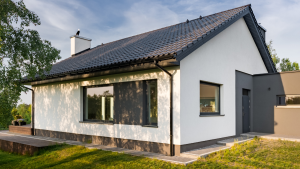
This is what life feels like in an Energy Efficient Home.
These homes are purposefully designed to hold warmth, and regulate temperatures by harnessing the benefits of passive design – keeping energy use low and comfort levels high, without breaking your budget.

It’s not just about insulation or double-glazed windows. It’s about designing thoughtfully and building with purpose – to give you a home that is healthier, more comfortable, and more affordable. A home that not only performs – but performs efficiently.
Comfort today, confidence for tomorrow
Choosing an Energy Efficient Home isn’t just about saving money – it’s about creating a lifestyle. It’s about building a home that nurtures your family’s health, supports your finances, and sustains its performance for the future.
With smarter insulation, better ventilation, and more thoughtful design, you’ll notice:
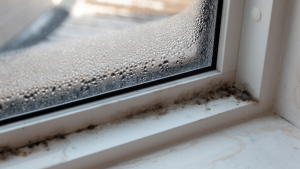
- Healthier indoor air: Fewer allergens, reduced dampness, and better respiratory health
- Year-round comfort: Stable temperatures no matter the season
- Affordability: Long-term savings that start from day one
And perhaps most importantly – peace of mind. Knowing that your home is built for resilience, wellness, and the future.

So – what is this winter going to cost you?
If you’re thinking of building a new home, you have a choice.
Will you build to meet the current building code – and pay for it every winter? Or will you invest in a smarter, healthier, more comfortable way of living with an Energy Efficient Home that meets best international practice?
If winter has been costing you more than it should, maybe it’s time to rethink what your future home can offer.