When building an Energy-Efficient home, insulation is one of the most impactful elements. Directly affecting comfort, temperature control, and energy savings. Quality insulation acts as a barrier to heat flow, keeping the home warm in winter and cool in summer. By reducing heat loss and gain, insulation minimizes energy use and creates a comfortable indoor environment all year round. Let’s explore why insulation is essential for Energy Efficiency and how it contributes to a home’s overall performance.
Quality Insulation: The Foundation of Energy Efficiency
Insulation is a cornerstone of any Energy-Efficient home. Providing a buffer that keeps indoor temperatures stable regardless of the season. By preventing heat from escaping in winter and entering in summer, insulation significantly reduces the need for additional heating and cooling. Homes with effective insulation maintain a consistent indoor temperature, making them more comfortable, healthier and less reliant on energy-consuming appliances.
Key Areas for Insulation
- Roof Space
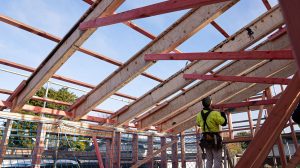
Since heat in the room rises, ceilings and roofs are prime areas where energy loss occurs. Without proper insulation, a significant portion of a home’s heat can escape through the ceiling and into the roof. Roof insulation is one of the simplest and most effective ways to improve Energy Efficiency. It helps to prevent heat loss in colder months and to keep the home cooler during warmer months. Additionally, the roof space is often the easiest area to improve in terms of insulation, making it an ideal starting point for homeowners looking to enhance their home’s energy performance. - Walls
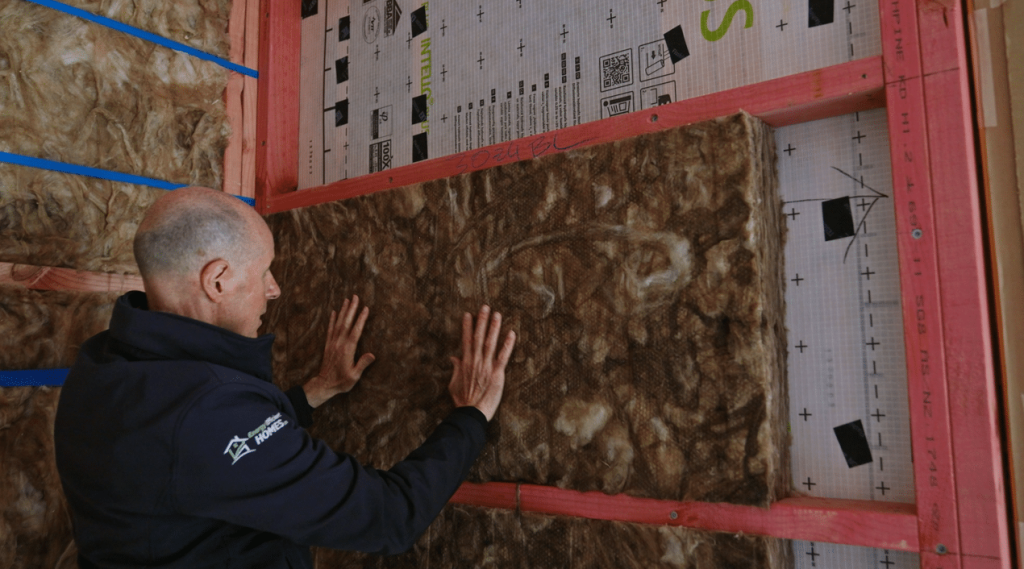
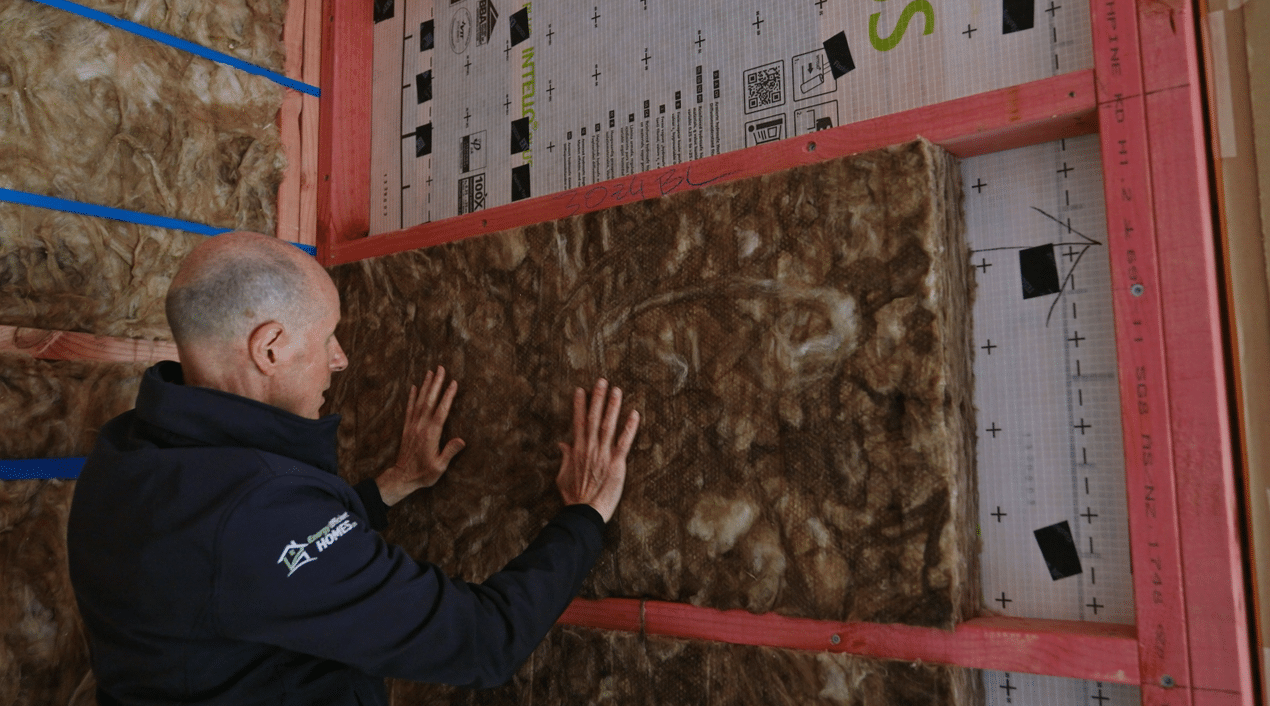
Wall insulation plays a crucial role in maintaining a stable indoor climate as the walls of a building compose a large amount of the overall envelope. In Energy-Efficient homes, wall insulation goes beyond basic standards to provide enhanced protection against heat losses and unwanted gain. This added insulation helps maintain a comfortable indoor environment and reduces reliance on heating and cooling systems, even during extreme weather events. By insulating walls effectively, we can create a more consistent and comfortable indoor temperature, making the home more comfortable and Energy Efficient year-round. - Foundation
Foundation insulation is frequently overlooked and often under specified, yet it plays a critical role in improving the home’s Energy Efficiency equation. Concrete floors can lose significant heat; along their perimeter, where they connect to outdoor air and directly to the ground beneath. Insulating the foundation not only prevents this heat loss but also addresses harsh, cold floors. Adding a layer of comfort and warmth for your feet. A well-insulated foundation contributes to a cosy living environment while reducing energy transfer to the ground, supporting the home’s overall efficiency and completes the thermal envelope.
Choosing the Right Insulation Material
The type of insulation material used in a home can have a big impact on its Energy Efficiency. Many materials like mineral wool, natural sheep wool, polyester, polystyrene, and cellulose. Each offers unique benefits, from thermal performance to environmental friendliness, however there is a variable cost to each of these products. Selecting the right insulation material means balancing factors such as effectiveness, durability, environmental impact and affordability to ensure the best fit for the home’s design and energy goals.
Conclusion
Quality insulation is essential for creating an Energy Efficient home that’s comfortable, sustainable, and resilient. By focusing on insulation in key areas – such as ceilings, walls, and foundations – we can reduce energy demand, lower environmental impact, and enjoy a consistently comfortable indoor environment. Insulation is more than just a building material; it’s a critical investment in a future-proof home.