The Importance of Ventilation in Energy Efficient Homes
Ventilation is an essential component of an Energy Efficient home. In airtight, well-insulated homes, proper ventilation ensures constant fresh air circulation, helps to control humidity, and maintains a balanced indoor environment. Without it, indoor air quality suffers, moisture builds up, and comfort & health is compromised as a result. In this blog, we’ll explore why ventilation is critical in Energy Efficient homes and how Mechanical Heat Recovery Ventilation systems (MHRV) offer an effective solution for achieving optimal ventilation.
Maintaining Indoor Air Quality
Energy Efficient Homes are designed to be airtight to prevent heat loss, draughts and conserve energy. However, this airtightness limits natural airflow. Pollutants, such as pollen, spores and other particulates then need to be dealt with in other ways. These pollutants are managed by the dedicated Ventilation system 24/7, thus health and comfort is ensured year-round.
Mechanical Heat Recovery Ventilation (MHRV) systems address this issue by simultaneously removing stale indoor air and replacing it with a steady supply of fresh, filtered air. This dual-action process ensures that pollutants are efficiently expelled while maintaining energy efficiency. With MHRV, you can enjoy clean, healthy air and a balanced indoor environment without compromising your home’s energy performance.
Controlling Humidity and Preventing Moisture Issues
Airtight homes excel at retaining temperature, but they could also trap moisture from daily activities like cooking, showering, and even breathing. If left unmanaged, this excess moisture could therefore lead to condensation on windows, mould growth, and damage to walls and furniture.
MHRV systems effectively control humidity by removing moist indoor air and replacing it with filtered, drier and healthier air from outside. This process helps maintain ideal humidity levels, preventing moisture-related issues and creating a healthier indoor environment.
Enhancing Comfort Year-Round
Proper ventilation is essential for a comfortable indoor environment. In airtight homes, poor airflow can lead to stuffiness, excess humidity, and a buildup of carbon dioxide (CO2), which can cause fatigue, headaches, and discomfort. Mechanical Heat Recovery Ventilation (MHRV) systems resolve these issues by removing stale air, reducing CO2 levels, and maintaining fresh, filtered airflow – all while keeping temperatures stable year-round.
Minimising the Need for Natural Ventilation
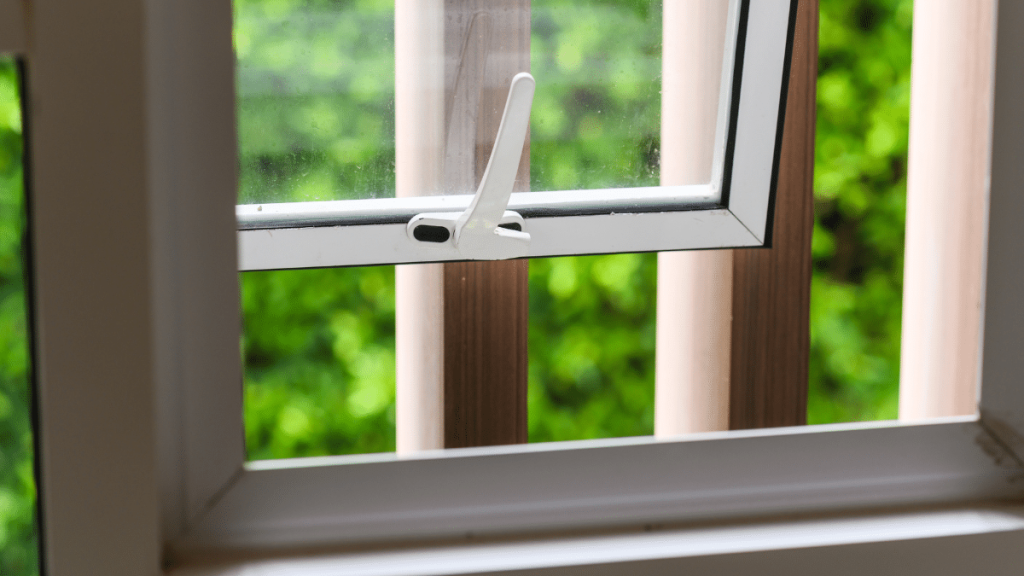
While opening windows and doors might seem like a quick fix for fresh air, it can disrupt your indoor environment and does not manage what can enter the home. Airtight construction is designed to minimise heat loss and maximise energy savings, but uncontrolled airflow can introduce pollutants, allergens, and excess moisture. Opening windows and doors can have many benefits, especially in the summer months as well as letting us experience our wonderful environment. Once the windows and doors are closed a Mechanical Heat Recovery Ventilation (MHRV) system goes right to work, cleansing the air of any pollutants that may have entered the home during this time.
Conclusion
Ventilation is a critical element of any Energy Efficient home, working hand in hand with thoughtful design to create a sustainable and comfortable living space. While airtight construction and insulation play vital roles in reducing energy waste, effective ventilation ensures fresh air circulation, controls humidity, and supports overall indoor comfort.
Mechanical Heat Recovery Ventilation (MHRV) systems are essential to this balance, enhancing air quality while preserving the energy performance of the home. Together with a well-designed structure, they ensure that every aspect of the house contributes to its efficiency and liveability.
By integrating proper ventilation with smart design, homeowners can unlock the full potential of their Energy Efficient Homes – enjoying a space that’s not only environmentally conscious but also healthy, comfortable, and built for the future.