As winter sets in, the challenge of keeping warm becomes an issue.
Is relying on an electric blanket or a hot water bottle sufficient? Many gauge the chill outside simply by the discomfort of stepping out of bed in the morning.
How Cold Is Too Cold and What Does It Do to Your Health?
According to the World Council for Health, the ideal sleeping temperature is 18°C for adults and 20°C for young children and older adults. Sleeping in temperatures below 12°C can seriously harm the respiratory system and disrupt restful sleep patterns. Most health experts agree that sleeping in temperatures below 15.5°C is not advisable.
A study conducted by Otago University provided conclusive evidence that children exposed to lower temperatures experience increased wheezing and more cold and flu symptoms, perpetuating a cycle of health issues throughout the winter months. Given the poor quality of many buildings, it’s no surprise that New Zealand has a high proportion of asthma sufferers .


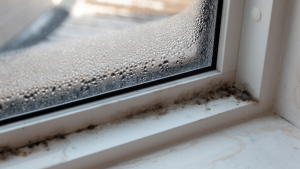
The problem for many people is the inability to afford effective home heating. This leads to illnesses that spread within the family, with cold, damp environments causing infections that can last for weeks.
What Is the Solution to This Nationwide Problem?
Our clients who live in Energy Efficient homes report four key benefits:
- The entire house remains warm and comfortable, eliminating cold bedrooms.
- Lower energy bills and overall cost-effectiveness.
- Improved overall health.
- They would never go back to living in a house built to the current building code.
From personal experience, even without heating, I need to check the weather forecast to see how cold it is outside before dressing. Building an energy-efficient home not only benefits your family’s health but also your finances. While constructing a house to the current building code may be cheaper initially, considering the running costs, an energy-efficient house becomes the more economical option within 2-3 years, along with added health benefits.

To learn more about the advantages of an Energy Efficient Home, follow our current build projects. Attend a mid-build Q&A presentation or contact us to arrange a meeting to discuss your ideas.
Keep an eye on our Socials for updates