We’ve insulated our homes and started to spot and seal the gaps, so why are the windows still running with condensation and the air so stuffy? Why do we still feel the need to open the windows just to get a breath of fresh air?
New Zealand has a problem with its homes.
We’ve grown used to wearing extra layers indoors and waking up to damp windows.
We’ve been trying to solve the problem step by step. But what if we stopped solving one problem only to create another, and went straight to a solution that works?
NZ homes are improving
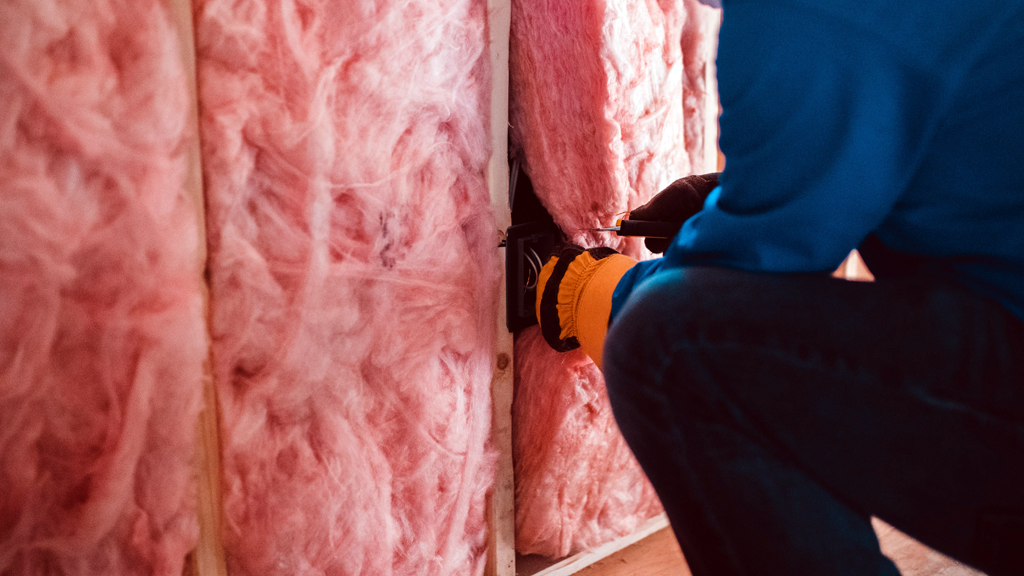
First came better insulation. The H1 standards improved insulation requirements for new homes, mandated insulated floors, improved windows, and increased ceiling insulation. These are easy changes to make in most homes.
We’ve also seen improvements in airtightness. New homes are significantly more airtight than old ones. Anyone who has lived in a mid-century villa knows the feeling: when the wind blows outside, sometimes the papers shift on the benchtop indoors, too.
Now, finally, ventilation is getting a look in, with the latest version of G4/AS1 setting out updated ways to ventilate homes.
So, will NZ homes finally be warm and dry at the end of this?
Not quite. And the reason is simple.
These changes address each area separately. But in a home, they need to work as one integrated system. Fix one part without considering the others, and you may improve one problem only to create another.
More insulation is not necessarily the solution
Insulation is great at keeping the indoors warmer in winter and cooler in summer. What it can’t do is address moisture issues.
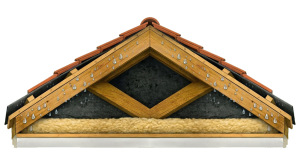
As we explained previously, adding insulation above your ceiling widens the temperature gap between your living space and the roof space. That means that your home stays warmer but your roof space gets colder.
Then, as warm moist air from indoors rises through your ceiling to meet that cold roof space, it condensates. The result is water in your insulation. Wet insulation doesn’t insulate as well and, over time, it degrades and collapses. Not good at all.
Your walls have the same problem. Increasing the thickness here can also end up increasing condensation-related moisture problems. Where is all this moisture coming from? Doesn’t rain stay on the outside?
So more insulation will give you a warmer living room, but it can also leave you with condensation problems hidden in your walls and roof, which can become very damaging over time.
Could better airtightness be the solution?
Airtightness is great for keeping heat in and lowering power bills. No one likes draughts. And if you are constantly losing warm air to the outside, it is almost impossible to heat and cool effectively.
But you’re not just sealing in heat. You’re sealing in everything else as well.
A family of four produces about 20 litres of moisture a day just by cooking, showering, and breathing. In a home with decent airtightness, that moisture has nowhere to go, so it condenses on cold surfaces inside walls and ceilings. Humidity climbs; mould and dust mites thrive. If you see moisture on your windows, it’s hiding elsewhere, too.
So we have a dilemma:
If iinsulation keeps you warmer and airtightness does, too, but both can create problems with internal humidity, how do we solve that?
Step 3: Ventilation
The more airtight the home, the more important the ventilation. Ventilation is essential for managing internal moisture, and as a bonus it also maintains indoor air quality, too.
It clears out stuffy, damp air and brings in fresh air. At the same time, it filters incoming air, reducing allergens, while helping to remove indoor pollutants and keep CO₂ levels within a healthy range. It truly is remarkable how much brain fog isn’t a morning coffee problem – it’s a poor indoor air quality problem!
But in a leaky home, air takes the easiest route, not the route designed. It escapes through the gaps, taking your heat with it. Ventilating a leaky house is like trying to heat a room with the windows open; everything escapes. We need to control the internal environment in order to condition it effectively.
Taking the leap
Insulation, airtightness, and ventilation not only depend on each other; they reinforce each other. Insulation keeps heat in. Airtightness controls where air goes. Ventilation removes moisture and stale air. Take one away, and the other two come up short.
That’s why we don’t do single steps. We produce what we can prove to perform: homes designed as systems, with insulation, airtightness, and ventilation working in harmony from the start.
Step by step got New Zealand to where we are, but there is still a long way to go. An Energy Efficient Home is the future – delivered today.