New Zealanders have a reputation for being a relatively health-conscious bunch. Many of us make a reasonable effort to eat well, stay active, and make the most of the outdoors.
But there is one part of that picture we don’t always think about:
The house we live in.
Housing Is A Health Issue
Most of us spend a large part of every day inside buildings: breathing indoor air, dealing with the temperature, exposed to allergens…
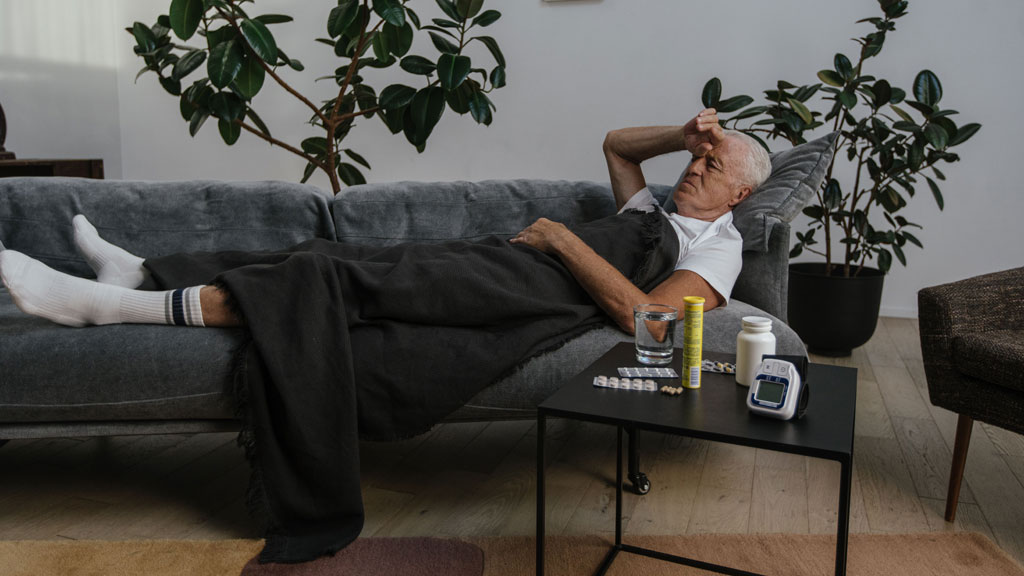
And that can have a measurable effect on our health.
You may have personally experienced the difference a house can make. Perhaps it was that old flat-share from your student days: cold, damp, someone always sick. Finally you moved out, and you felt much better.
NZ researchers have spent more than 25 years studying the connection between housing and health, and the findings are considerable.
The Healthy Homes Initiative reduced hospitalisations among participating households by 18.6% within 5 years. Children in those households had 5% less school absence due to illness.
In another NZ study, researchers followed 409 homes where a child had asthma. After improving the heating, the children had fewer asthma symptoms, fewer sleep disturbances, and fewer days absent from school.
Then there is mould. Living in mouldy homes has been associated with developing asthma during childhood.
A NZ study looked at almost one million people living in more than 200,000 homes that received subsidised insulation. Hospitalization rates dropped for not just asthma but also respiratory disease and cardiovascular disease.
Clearly, improving the heating and insulation in existing houses improves health. But what about new houses? Aren’t they healthy by default?
New Isn’t Always Better
It is perfectly reasonable to expect that a new home would be superior to an old one. However, there are certain aspects that the building code overlooks. A new home will endure and keep the rain out, but will it look out for the health of its occupants?
The air quality in a new house isn’t always better. Paints, adhesives, flooring, cabinetry, and manufactured wood products can release volatile organic compounds (VOCs), particularly when new. With no requirement to manage interior air and moisture, this can lead to unhealthy circumstances and problems developing out of sight, but not out of mind.
Plus, a modern build’s increased airtightness traps air, indoor pollutants, and moisture alike. When someone in your household has a cold, virus-containing particles can accumulate in poorly ventilated rooms and increase the risk of someone else getting sick. It also can become the perfect breeding ground for mould, which is still a problem in modern homes.
In Episode 2 of The Great Home Performance Test, we test a new home for air quality – and we’ll reveal what we found when it airs this Friday.
For decades, the default response to feeling cold was simple: “Put a jumper on and stop moaning.”
But even today not everyone can afford to be able to say “Fine” and turn up the heat. Being comfortable and warm year round can be expensive, but it’s what we need to stay healthy.
That’s the real argument for building differently. An Energy Efficient Home doesn’t ask anyone to choose between comfort and cost. It’s just warm. And it saves you in your monthly bills. It constantly brings in fresh air, managing humidity, and keeping your home healthy – the way it ought to be.
Ask for a free consult to discuss how we might be able to help you enjoy a warmer home.